

Vegetation Cleared with Minimal Soil Disturbance
Forestry Mulching in the Champlain Valley for converting brush and small trees into natural mulch without traditional clearing disruption
Traditional land clearing with dozers and excavators removes topsoil, compacts the ground, and requires hauling debris off-site for disposal. Forestry mulching uses specialized equipment that grinds brush, saplings, and small trees into mulch that remains in place, improving soil health while reducing erosion. Connor Land Clearing applies this method across the Champlain Valley and nearby Vermont properties where trails, hunting land, or overgrown acreage need vegetation control without stripping the soil or creating ruts that channel water and worsen drainage problems.
The mulching head cuts and processes vegetation in a single pass, leaving a layer of organic material that moderates soil temperature, retains moisture, and decomposes to add nutrients back into the ground. This approach works well for properties with sensitive areas like wetland buffers, steep slopes where erosion risk is high, or established tree stands that need understory clearing without damaging desirable timber.
Discuss the best clearing approach for your property during an on-site consultation.
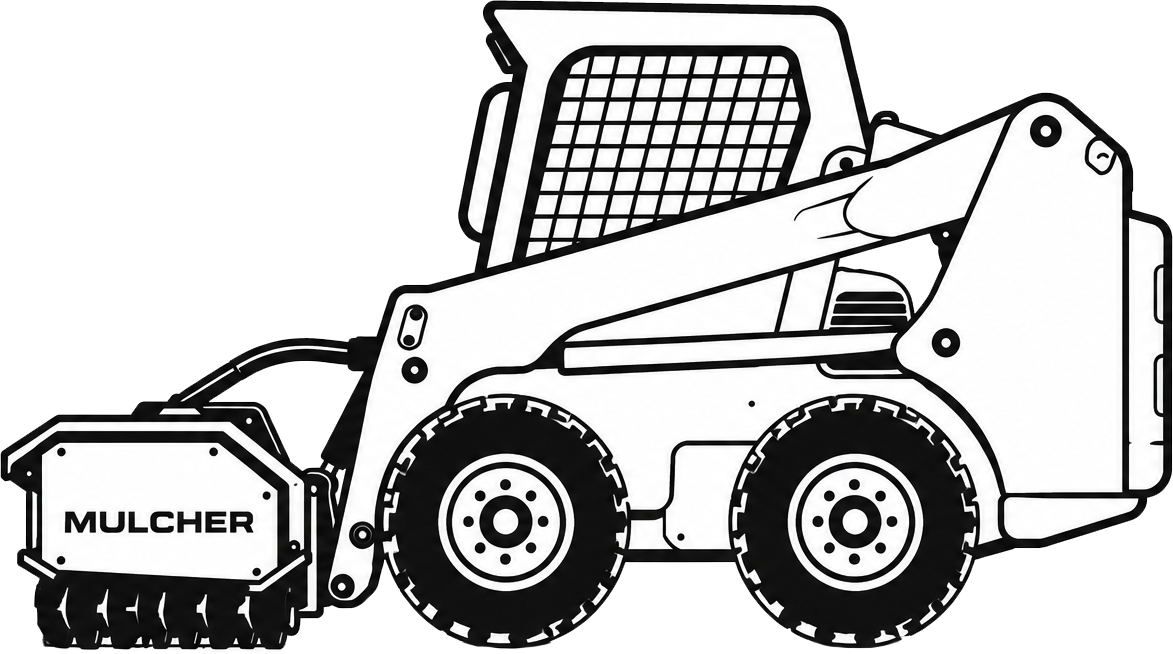

Why Forestry Mulching Works for Sensitive Sites
Mulching equipment tracks across terrain without the ground pressure of larger dozers, allowing work in wet zones and sloped areas that would otherwise require waiting for frozen ground. The process eliminates the need for burn piles or debris hauling, which reduces project timelines and avoids smoke or permitting concerns in areas with air quality restrictions during dry periods.
Once mulching finishes, you see cleared sightlines with a uniform mulch layer covering the ground, which suppresses weed regrowth and protects soil from rain impact that causes compaction and runoff. Trails become passable for vehicles or foot traffic, hunting land offers improved visibility for game management, and overgrown fence lines are accessible for repair or replacement.
Forestry mulching does not remove stumps or large trees beyond the equipment's cutting capacity, so properties with mature timber or extensive stump removal needs may require additional clearing methods. The mulch layer typically settles to half its initial thickness within the first year as decomposition progresses.
Answers to Frequent Mulching Questions
Landowners in Bridport and surrounding Vermont communities often compare mulching to other clearing methods and want to understand how it affects their property long-term.
What size vegetation can forestry mulching equipment handle?
The mulching head processes brush, saplings, and trees typically up to six to eight inches in diameter, depending on wood hardness and equipment specifications, with larger trees requiring felling before mulching.
How does mulching compare to traditional clearing for erosion control?
Mulch left on-site absorbs rainfall, reduces surface water velocity, and holds soil in place on slopes, while traditional clearing often exposes bare ground that erodes until vegetation reestablishes.
What types of properties benefit most from forestry mulching?
Recreational land, woodland trails, utility corridors, and agricultural properties needing selective clearing without topsoil removal all benefit from the reduced soil disturbance and organic matter retention mulching provides.
When is the best season for mulching in Vermont?
Late spring through fall allows efficient processing of green vegetation, though winter mulching works well on frozen ground where access is otherwise limited and eliminates concerns about damaging understory plants during their growing season.
How long does mulched material take to decompose?
Decomposition depends on wood species, moisture, and temperature, with softwoods breaking down within two to three years and hardwoods taking longer, gradually integrating into the soil and improving structure.
Connor Land Clearing evaluates terrain, vegetation type, and project goals to determine whether forestry mulching or alternative methods best suit your needs. Schedule a property assessment to review your site's clearing options and discuss outcomes that align with your land management plans.