

Terrain That Opens Up Property Access
Trails & Pathways in Bridport and across the Champlain Valley for properties needing reliable access to remote acreage
Connor Land Clearing builds trails and pathways for recreational, agricultural, and private properties where natural terrain limits vehicle access, seasonal use, or foot traffic movement. The work involves clearing vegetation along planned routes while preserving existing tree canopy, stone walls, and native features that define the property's character. Property owners throughout the Champlain Valleyuse these trails for utility vehicle access during hunting season, walking paths that connect field sections, and seasonal routes that remain passable during wet spring conditions.
Trail development begins with walking the intended route to identify natural corridors that minimize disruption while creating stable pathways through uneven ground, around wetland edges, or across sloped sections where erosion becomes a concern without proper planning. The clearing removes brush, saplings, and undergrowth that block movement but leaves mature trees and understory vegetation that prevent washout during heavy rain.
Schedule a property walk to map trail routes based on your access needs and terrain features.
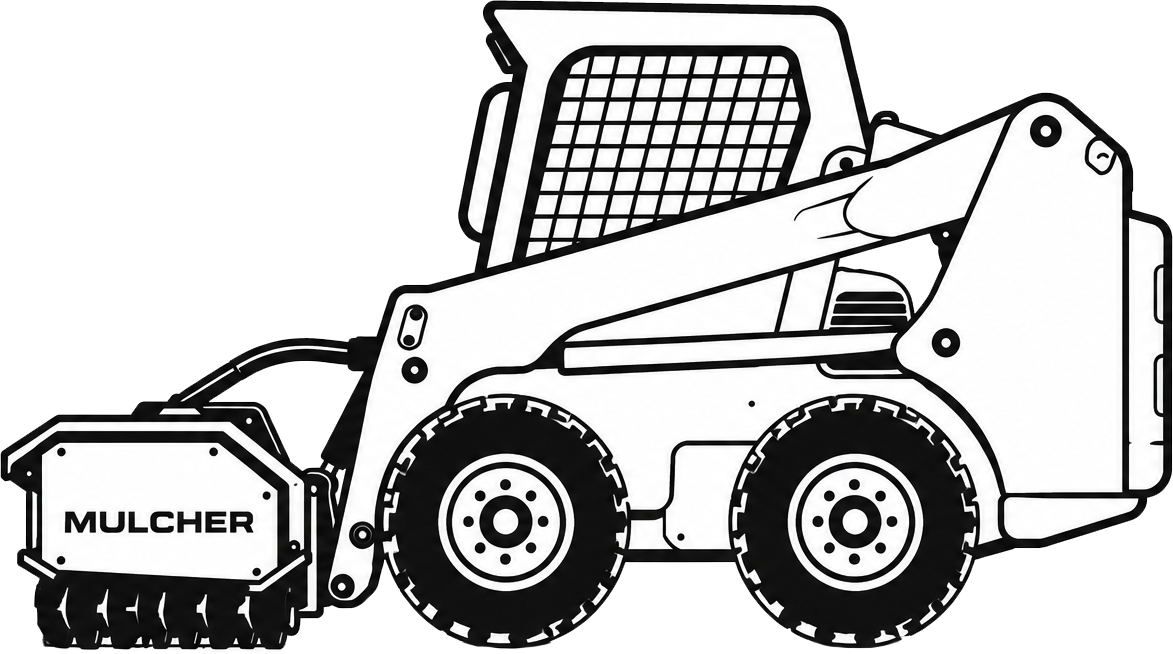

How Pathways Are Built Around Natural Features
The process involves evaluating drainage patterns before clearing begins because poorly positioned trails channel water into concentrated flows that carve ruts and undermine the pathway surface within a single season. Routes follow ridge lines or cross slopes at shallow angles to prevent runoff from concentrating, and natural dips are identified early so crossings can be reinforced or avoided entirely.
Once the trail is cleared and debris removed, you notice direct sightlines through previously tangled sections, stable footing where brush once caught boots and vehicle tires, and year-round access to areas that were previously limited to frozen ground conditions. Trails built with attention to existing terrain require minimal maintenance because water disperses naturally rather than pooling or eroding the cleared path.
The work does not include hardening surfaces with gravel or installing culverts—those are separate decisions based on whether the trail will support heavy equipment or remain a foot and light vehicle path. Clearing focuses on opening corridors while leaving root systems intact to stabilize soil along the route.
Questions Property Owners Ask Before Trail Development
Property owners planning new trails or expanding access routes often ask about route planning, seasonal timing, and how clearing affects surrounding vegetation.
What determines the best route for a new trail?
The route is planned around natural breaks in vegetation, existing game trails that indicate stable ground, drainage flow direction, and the grade of slopes that might cause erosion if crossed incorrectly.
How wide should a trail be cleared for utility vehicle access?
Most utility vehicle trails are cleared to eight to ten feet wide to allow passage without branches scraping equipment or passengers, though wider clearing is possible for properties that require side-by-side vehicle use or future maintenance access.
When is the best time to clear trails in the Champlain Valley?
Late fall through early spring when ground is frozen or dry avoids soil compaction and rutting, and vegetation is dormant so regrowth along trail edges is slower the following season.
What happens to the cleared brush and small trees?
Brush is either mulched on-site to decompose along trail edges, chipped and spread in low-traffic areas, or removed entirely depending on volume and property owner preference.
How do trails affect property character and wildlife movement?
Trails cleared selectively maintain tree canopy and transition zones that wildlife use for cover, and narrow pathways integrate into the landscape rather than creating stark openings that alter drainage or sunlight patterns.
Connor Land Clearing works with property owners to design trail systems that match intended use while respecting natural features that make the land functional and visually intact. Contact us to discuss your trail project goals and schedule a site evaluation.