

Properties Cleared After Severe Weather
Storm Damage Cleanup across the champlain valley for fallen trees and debris blocking access after wind events
Severe weather across Vermont brings down trees weakened by saturated soil, high winds, or ice load that snaps trunks and drops limbs across driveways, structures, and open land. Connor Land Clearing responds to storm damage with equipment that cuts, removes, and clears debris while operating safely around downed power lines, damaged fencing, and unstable hanging branches. Properties in Bridport and surrounding areas often face cleanup needs after spring windstorms and late-season ice events that leave access roads impassable and yards filled with tangled wood and brush.
Cleanup begins by assessing which trees and limbs pose immediate safety risks, then systematically cutting and removing debris to restore access and prepare the property for normal use or future site work.
Request prompt storm cleanup assistance to restore safe access and clear damaged vegetation.
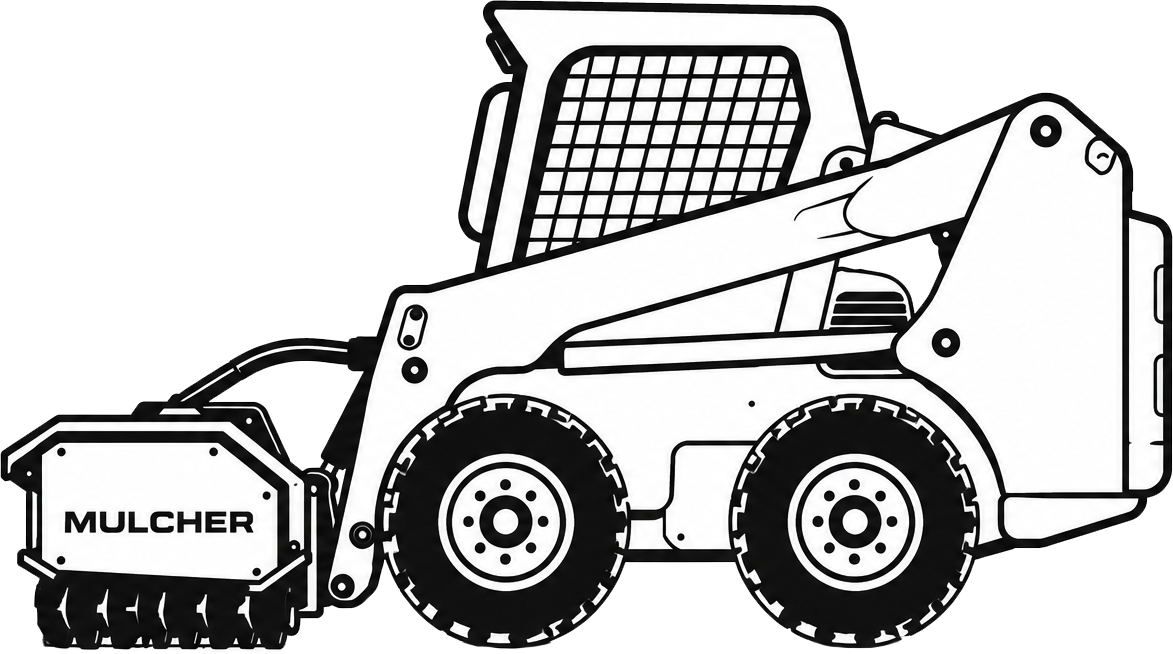

What Proper Storm Debris Removal Requires
Storm cleanup involves more than cutting fallen trees—it requires identifying which root balls have lifted and created trip hazards, which partially fallen trees remain under tension and could shift unexpectedly, and which debris piles need to be sorted before removal because mixed material complicates disposal. Equipment operates around structures and utilities without widening the damage zone, and debris is staged for removal or chipping based on volume and client preference.
After cleanup, you notice clear sight lines where fallen trees previously blocked views, driveways and pathways free of limbs and debris, and open yard space ready for replanting or construction work. Properties recover functional use quickly rather than facing weeks of delayed cleanup that prolongs risk and limits access.
The service includes cutting and removing debris but does not include stump grinding or grading areas where root balls lifted soil—those are separate tasks addressed after immediate access is restored. Focus remains on clearing hazards and restoring safe movement across the property.
Answers to Frequent Service Questions
Property owners recovering from storm damage typically want to know about response timing, what happens to debris, and how cleanup prepares land for next steps.
How quickly can storm cleanup begin after severe weather?
Response depends on the volume of requests following a widespread weather event, but priority is given to properties with access completely blocked or hazards threatening structures, with most projects starting within days of initial contact.
What happens to the fallen trees and brush after removal?
Wood can be cut into firewood lengths and left on-site, chipped into mulch, or hauled away entirely depending on volume and whether you want the material for personal use or cleared from the property.
Why do some trees fall during storms while others nearby remain standing?
Trees with shallow root systems, prior damage, rot at the base, or exposure to prevailing winds are more vulnerable, and soil saturation reduces anchoring strength so even healthy trees topple when wind load exceeds root grip in softened ground.
What should property owners do before cleanup crews arrive?
Mark any underground utilities, identify which debris piles are priorities, and ensure access routes are passable for equipment so work can begin immediately without delays for site assessment.
How does storm cleanup differ from routine tree removal?
Storm cleanup addresses urgent hazards and access restoration rather than planned removals, so work proceeds rapidly with focus on safety and clearing rather than detailed site finishing or aesthetic concerns.
Connor Land Clearing helps property owners recover quickly after severe weather with safe debris removal and efficient site clearing. Reach us at (802) 610-9383 to schedule storm damage cleanup and restore access to your property.