

Stumps Removed Without Damaging Surrounding Property
Stump Grinding in Bridport and across the Champlain Valley for eliminating trip hazards and obstacles left after tree removal
Tree stumps remaining after removal or land clearing create tripping hazards, attract wood-boring insects, and block spaces needed for landscaping or construction. Connor Land Clearing provides stump grinding in Bridport and nearby Vermont towns, removing stumps below grade while minimizing disruption to lawns, driveways, and existing plantings. The process uses rotating carbide teeth that reduce stumps to wood chips, which are either removed or redistributed depending on your site plans.
Stump grinding addresses both visible and below-grade portions of the stump, cutting several inches beneath the soil surface to eliminate regrowth and allow for grading or planting. Equipment size is matched to stump diameter and site access—narrow gates, overhead utility lines, and soft ground from recent rain all influence which grinder is used and how the work is staged.
Schedule an on-site evaluation to assess stump size, root spread, and site access requirements.
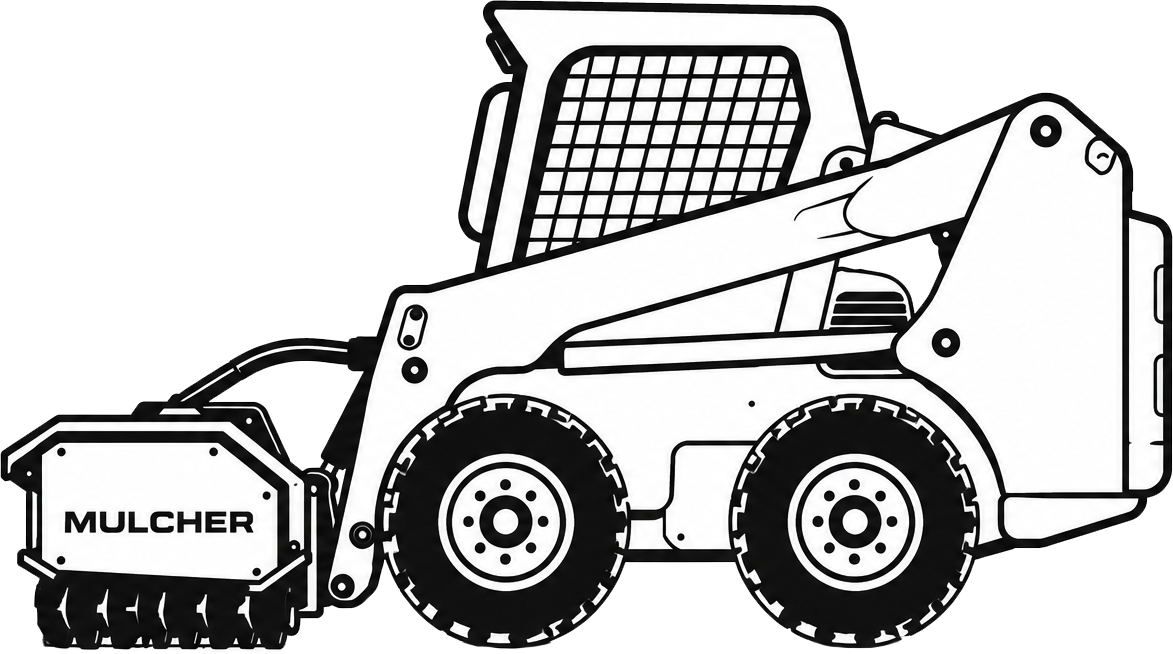

How Stump Removal Addresses Long-Term Property Issues
Grinding begins with clearing debris and rocks around the stump base to protect equipment teeth from damage that slows the process. The grinder works in passes, cutting deeper with each rotation until the stump sits several inches below the surrounding grade. Stumps located near septic fields, water lines, or foundation walls require careful positioning to avoid underground infrastructure that may not appear on property maps.
Once grinding finishes, the area becomes level and free of obstacles, allowing mowers to pass without damage and eliminating spaces where standing water collects and breeds mosquitoes. You can plant grass seed directly into the wood chip mixture, or the depression can be filled with topsoil if new landscaping or hardscaping is planned.
Stump grinding does not remove lateral roots that extend beyond the grinding zone, so shallow roots may remain near the surface in some cases. These typically decompose within a few seasons and rarely interfere with turf establishment or light structures like sheds or decks.
What to Know Before Stump Removal
Homeowners and contractors in the Champlain Valley often ask about timing, site preparation, and what happens to the material produced during grinding.
What size stumps can be ground on residential properties?
Equipment handles stumps from small ornamental trees up to large hardwoods several feet in diameter, though access width and overhead clearance determine whether certain grinders can reach the location.
How does stump grinding affect surrounding grass and landscaping?
The process creates vibration within a few feet of the stump but does not typically damage healthy root systems of nearby plants, and turf recovers quickly once wood chips are spread or removed.
When is the best time to grind stumps in Vermont?
Grinding works year-round, but frozen ground in winter and saturated soil in early spring can limit access for heavy equipment, making late spring through fall the most efficient window for most properties.
What happens to the wood chips left after grinding?
Chips can be spread as mulch in garden beds, left to decompose in place, or hauled away depending on your preference and whether the area will be replanted or built upon.
How deep does grinding need to go for future construction?
Most foundations, patios, and driveways require grinding to at least eight to twelve inches below final grade to prevent settling as the remaining wood decomposes beneath the surface.
Connor Land Clearing coordinates stump grinding with your site improvement timeline, ensuring clean results that support your next project phase. Arrange a property visit to review stump locations and discuss material handling for your site.