Clearing Overgrown Acreage in Cornwall Without Disturbing Vermont Soil
Why Thick Brush and Small Trees Need a Different Approach in Cornwall
When dealing with overgrown property in Cornwall, traditional clearing methods often leave you with exposed soil, erosion concerns, and piles of brush to haul away. Vermont's thin topsoil layer and steep terrain make soil preservation critical—once you scrape away that layer, regrowth becomes difficult and runoff accelerates during spring melt. Forestry mulching converts brush and small trees into natural mulch that stays on-site, protecting the soil while eliminating the need for burning permits or multiple equipment passes.
The process grinds vegetation in place rather than uprooting it, leaving root systems intact to stabilize slopes and prevent washout. For properties near Route 30 or along Cornwall's hilly backroads, this matters—exposed soil on a grade turns into gullies after a few heavy rains. The mulch layer also suppresses seed germination, slowing the return of invasive species like buckthorn and multiflora rose that thrive in disturbed ground.
How Forestry Mulching Handles Cornwall's Mixed Vegetation
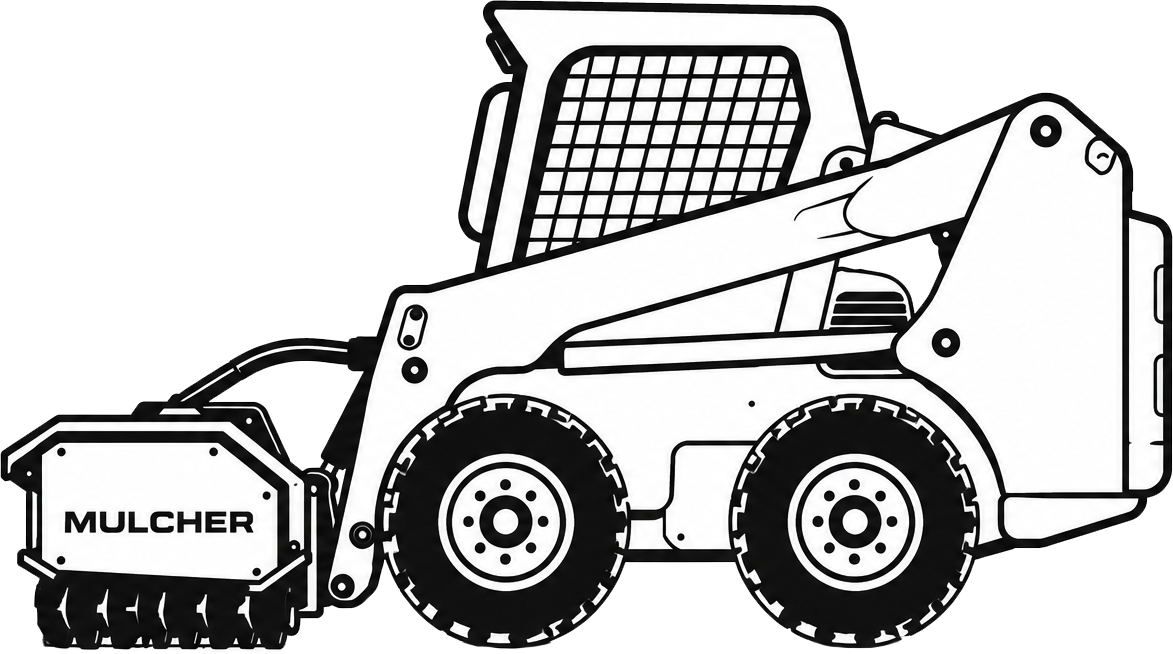
Cornwall properties often feature a mix of hardwood saplings, brambles, and softwood undergrowth that makes manual clearing impractical. A forestry mulcher processes material up to six inches in diameter, chipping through dense thickets in single passes. The machine's tracked design distributes weight across uneven ground, reducing compaction compared to bulldozers that concentrate pressure and damage soil structure.
After mulching, you're left with a navigable surface covered in organic material that decomposes over two to three years, gradually enriching the soil. This works particularly well for hunting land and trail systems where you want clear sightlines and foot access without creating a barren landscape. Connor Land Clearing uses this method to open up overgrown acreage while maintaining the property's natural character—what was impassable becomes usable without looking like a construction site.
If you're managing overgrown acreage in Cornwall and want to preserve soil integrity while regaining access, forestry mulching offers a streamlined solution that keeps organic matter on-site and minimizes erosion risk.
What Fails When Clearing Cornwall's Overgrown Properties
Not every clearing method suits Vermont's soil conditions and regrowth patterns. Understanding what typically goes wrong helps you avoid creating new problems while trying to reclaim overgrown land.
- Excavator clearing that strips topsoil exposes subsoil and accelerates erosion on Cornwall's slopes
- Burning brush requires permits and leaves ash that alters soil pH, favoring weed species over desired vegetation
- Hauling material off-site removes organic matter that would otherwise decompose and improve soil structure
- Mowing thick brush dulls equipment quickly and leaves stumps that resprout aggressively within a single growing season
- Clearing during wet periods in Cornwall creates ruts and compaction that persist for years, disrupting drainage patterns
Forestry mulching sidesteps these issues by processing vegetation in place during dry conditions, leaving a protective layer that discourages regrowth while preserving the soil structure beneath. If you need to reclaim trails, hunting land, or overgrown sections of your Cornwall property, discussing the best clearing approach based on your terrain and vegetation type ensures you get results that last.