Professional Standards Separate Complete Land Clearing From Partial Removal
What Inadequate Clearing Leaves Behind on Rutland Properties
Many property owners in Rutland discover that surface-level brush cutting leaves root systems that regenerate within a single growing season, requiring repeated clearing that never achieves permanent improvement. Incomplete removal of stumps and root masses prevents construction equipment from operating safely, while hidden debris damages tilling equipment on agricultural land. Selective removal without planned spacing creates uneven tree distribution that complicates future development and restricts access to interior property sections.
Complete land clearing removes trees, brush, and unwanted vegetation down to the root crown, processing material for removal or chipping based on property goals. The work creates defined boundaries, establishes sight lines, and prepares ground for its intended use—whether pasture establishment, building sites, recreational trails, or simply maintained open space. Vermont's terrain presents challenges including rocky soil, steep slopes, and wetland edges that require equipment capable of working without causing erosion or compaction issues.
How Customized Clearing Plans Address Different Property Goals
Residential properties typically require selective clearing that preserves desirable trees while removing understory vegetation and invasive species, balancing privacy with usable yard space. Agricultural land demands complete vegetation removal to allow equipment operation and establish productive acreage, often working around existing field patterns and drainage features. Recreational properties benefit from trail corridors and clearings that provide access without eliminating the wooded character that defines their appeal.
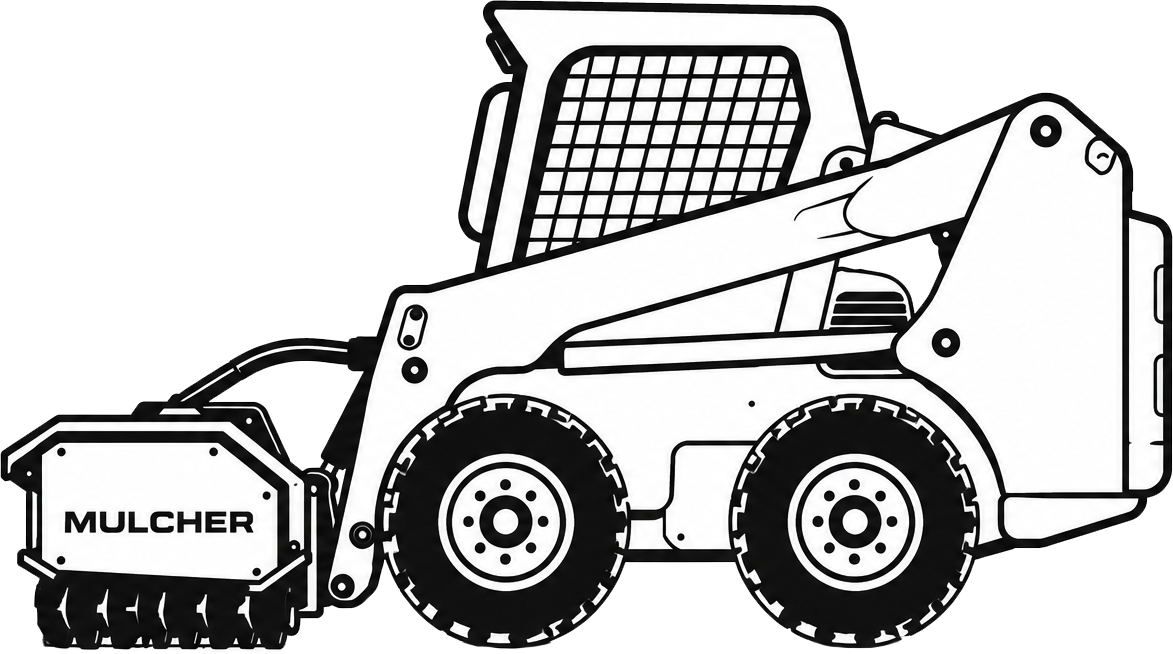
Connor Land Clearing develops plans based on each property's size, existing vegetation density, and intended future use. Equipment selection varies from forestry mulchers for heavy timber to tracked excavators for root removal in areas requiring immediate planting or construction. The process includes evaluating access points, identifying features to preserve, and determining whether material will be removed or processed on site. Safe operation accounts for Vermont's variable terrain, proximity to structures, and utility locations that affect clearing methods.
Request a consultation to discuss how complete land clearing can improve access, visibility, and development opportunities on your Rutland property.
Indicators of Quality Land Clearing Work
Evaluating land clearing services requires understanding what separates thorough work from expedient cutting that creates long-term problems. Different approaches produce dramatically different outcomes.
- Complete root crown removal that prevents regrowth rather than surface cutting that requires repeated maintenance
- Grading considerations that maintain natural drainage patterns across Rutland County's varied topography
- Material processing methods—whether chipping, burning, or removal—that align with property goals and local regulations
- Protection of desirable vegetation through strategic equipment operation rather than wholesale clearing that eliminates all growth
- Finished grade suitable for intended use without excessive soil disturbance that invites erosion
These standards ensure cleared land remains stable and functional, requiring minimal maintenance to sustain its improved condition. Contact our team to evaluate your property's clearing needs and develop an appropriate project plan.