
Not All Property Reclamation Methods Work for Williston's Growing Season
Why Quick-Fix Clearing Fails on Vermont Properties
Many Williston homeowners attempt backyard reclamation by simply mowing down overgrowth or cutting vegetation at ground level. This approach fails because Vermont's climate supports aggressive regrowth—woody species like sumac and poplar resprout from root systems within weeks, often denser than before. Surface clearing also leaves stumps and root masses that make the area unusable for anything beyond rough storage. Within one growing season, the same tangle returns, sometimes worse as disturbed soil allows dormant weed seeds to germinate.
Another common mistake is removing everything without considering what should stay. Mature trees that provide shade and property value get cut along with invasive brush, leaving bare ground that erodes during spring rains. Properties along Williston's developed corridors near Route 2 or Taft Corners need selective clearing that creates functional space while maintaining privacy screening and visual appeal—complete scorched-earth clearing rarely serves residential needs well.
Quality Standards for Transforming Overgrown Williston Land
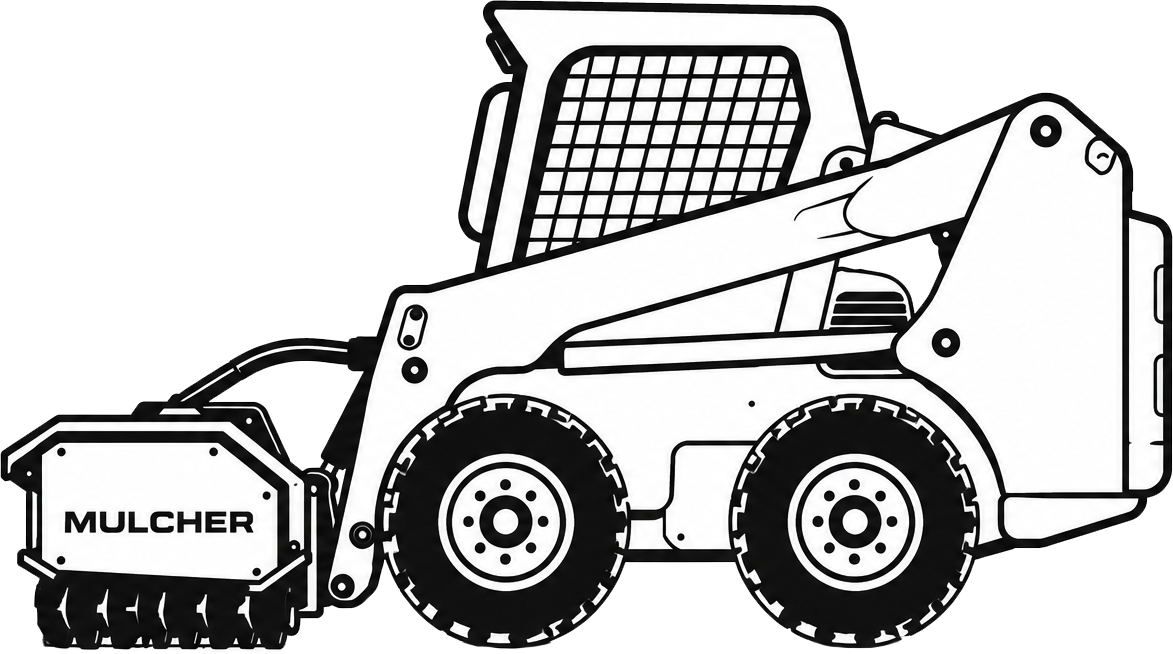
Effective property reclamation removes not just visible growth but the root systems, stumps, and debris that prevent genuine use of the land. Connor Land Clearing approaches overgrown backyards and unused areas by first identifying what you want to do with the space—lawn expansion, garden areas, play space, or simply organized storage. That determines how thoroughly vegetation must be removed and what soil work follows clearing.
The process includes grubbing out roots of woody plants, grinding stumps below grade so they don't interfere with mowing or construction, and removing rocks and debris that accumulated in overgrown areas. What differentiates quality work is attention to final grade—cleared areas should drain properly and tie into existing lawn or landscaping without awkward transitions. For Williston properties expanding usable yard space, reclaimed areas become genuine extensions of maintained lawn where kids can play or outdoor furniture can sit level, not just rough clearings.
Transforming overgrown sections into functional outdoor spaces requires understanding both what to remove and how to prepare the ground for intended use. Contact us to discuss reclaiming unused areas of your Williston property for purposes that actually matter to your family.
Evaluating Reclamation Approaches for Williston Properties
Property reclamation decisions affect both immediate results and long-term usability. Homeowners should consider these factors when planning to reclaim overgrown backyard or unused land areas.
- Root removal depth determines whether you can plant grass, install structures, or just use the area for rough storage without regrowth interference
- Selective preservation of mature trees maintains property value and privacy screening while opening understory areas for use
- Final grading affects drainage patterns—poorly reclaimed areas in Williston's clay soils become muddy zones that stay wet through spring
- Debris removal completeness matters for appearance and safety, especially for yards where children play or equipment operates
- Timing reclamation before landscaping or construction projects prevents delays, as clearing reveals actual ground conditions and available space
Proper reclamation creates land you'll actually use rather than just land that looks cleared temporarily. The functional difference is substantial: reclaimed areas support activities that overgrown sections made impossible, from installing playground equipment to expanding gardens or simply having yard space for family gatherings. Properties throughout Williston gain usable outdoor space that increases home value and lifestyle quality when reclamation is done with end use in mind. Learn more about transforming overgrown areas into functional outdoor spaces.